
Project Overview
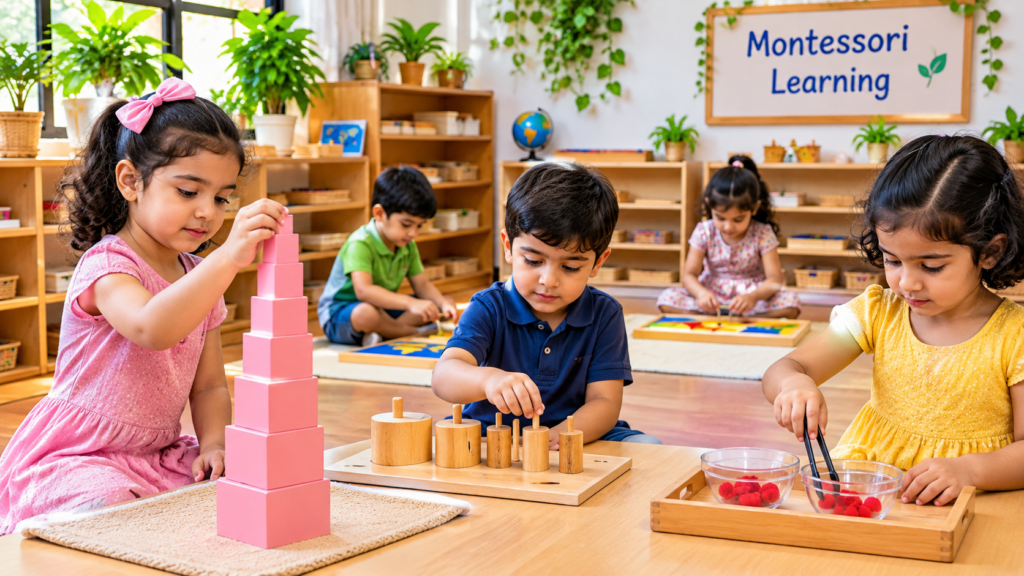
This sample project demonstrates my website design practice for a Montessori education website. The goal is to create a clean, welcoming, and user-friendly online experience for a preschool or Montessori learning centre.
Introduction to Montessori Education
Montessori education is a child-centered approach that encourages children to learn through exploration, hands-on activities, and discovery. It provides a prepared learning environment where children can develop independence, concentration, creativity, and confidence at their own pace. Montessori classrooms use carefully designed learning materials to make learning engaging and meaningful. This approach helps children build a strong foundation for lifelong learning.
Child-Centered Learning
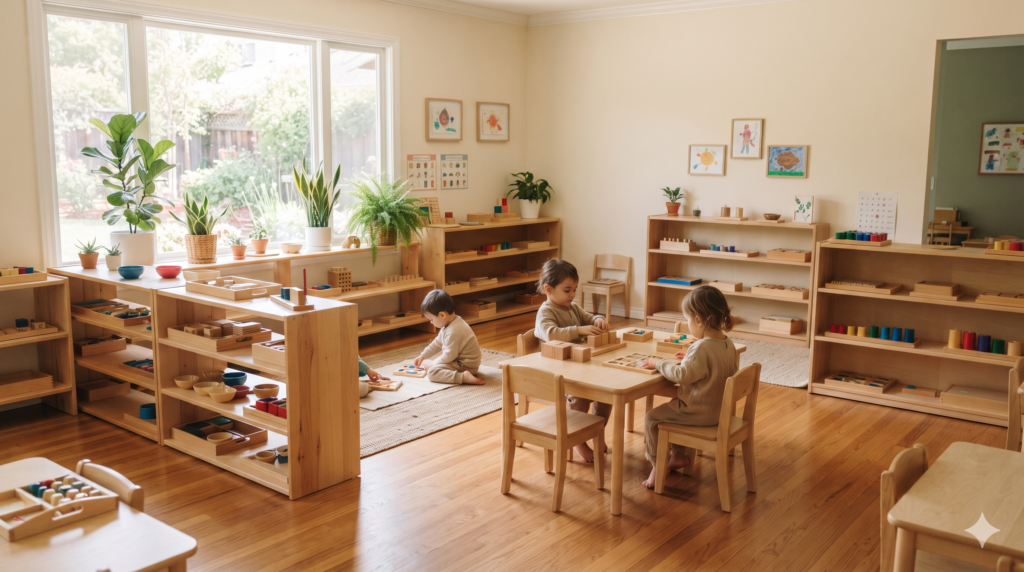
Every child has a unique way of learning and exploring the world. Montessori education encourages children to participate actively in their learning through practical activities and guided discovery. Children are given opportunities to make choices, solve problems, and practice new skills independently. Teachers observe and guide each child according to their developmental needs, helping them grow in confidence and responsibility.

Montessori Classroom Environment
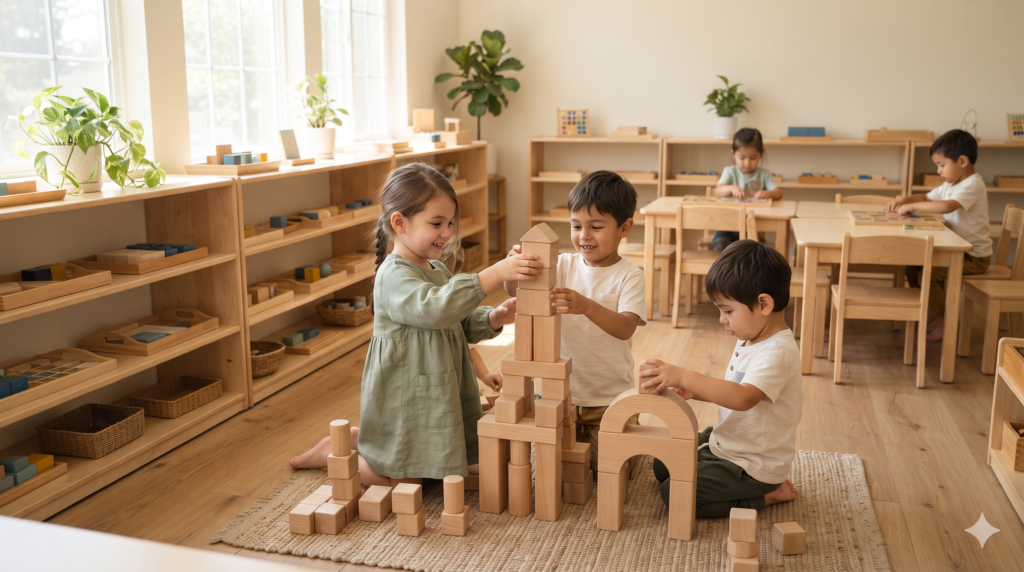
A Montessori classroom is designed to be calm, organized, and welcoming. Child-accessible shelves, purposeful learning materials, and clearly arranged activity areas encourage children to explore their surroundings independently. Natural colors, comfortable spaces, and hands-on resources create an environment that supports concentration and curiosity. A well-prepared classroom helps children develop practical skills while enjoying the learning process.
Benefits of Montessori Education
Montessori education offers opportunities for children to develop independence, concentration, coordination, creativity, and problem-solving skills. Through practical experiences, children learn to make choices, care for their learning environment, and complete activities with growing confidence. Individualized guidance and purposeful materials encourage curiosity and active participation. Each child’s progress may vary, but a supportive learning environment can help children build important skills for everyday life.
Conclusion
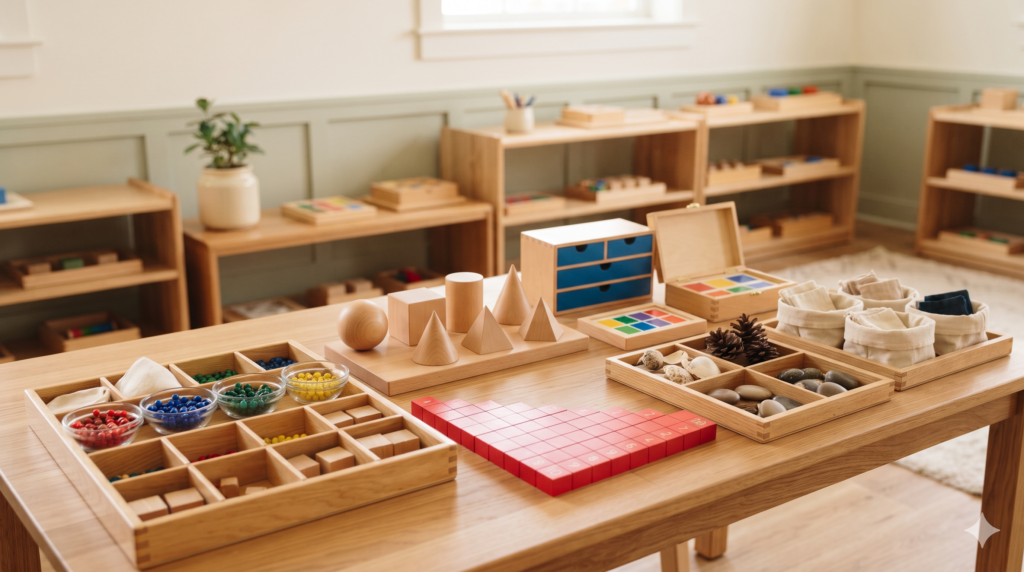
Montessori education provides a thoughtful approach to learning that values independence, exploration, and each child’s individual development. A prepared environment, practical learning experiences, and supportive guidance help children engage meaningfully with the world around them. Understanding these principles can help parents explore whether a Montessori learning environment aligns with their child’s needs.
Every child deserves a welcoming space where curiosity, confidence, and a love of learning can grow.
How Montessori Education Supports Child Development
montessori Education offers many benefits for young children. It encourages independence, creativity, concentration, and problem-solving skills. Children learn by exploring their surroundings and using practical learning materials.
Learning Through Practical Activities
montessori classrooms provide hands-on activities that help children understand concepts naturally. Activities such as counting beads, sorting objects, arranging shapes, and matching colors make learning interesting and enjoyable.
Developing Independence and Confidence
children are encouraged to choose activities according to their interests and abilities. They learn to complete simple tasks independently, take responsibility for their work, and develop confidence in their decisions.
The Role of Montessori Teacher
montessori teachers prepare a supportive learning environment and guide children when necessary. They observe each child’s progress and provide activities that match individual learning needs. This helps children learn at their own pace.A Positive Learning EnvironmentA well-organized Montessori classroom includes child-friendly furniture, educational materials, and spaces for individual and group activities. Such an environment helps children develop social skills, respect others, and enjoy learning.ConclusionMontessori Education supports the overall development of children by combining practical experiences with independent learning. Parents can encourage these skills at home by providing simple activities, allowing children to make choices, and appreciating their efforts.
Simple Montessori Activities at Home
Parents can support Montessori learning at home by involving children in everyday tasks such as arranging books, watering plants, sorting toys, and preparing simple snacks. These activities help children develop coordination, responsibility, and confidence while making learning a natural part of daily life.
Every child deserves a joyful learning experience.
Visit our website to learn more about our Montessori education approach and learning environment.